
KBS Issues with the Teacher: The Prolonged Iran War, the Shaking ROK-US Alliance, and Prospects for North Korea-US Dialogue
Professor Park Won-gon of Ewha Womans University analyzes how the prolonged war between the United States and Iran is impacting the Korean Peninsula's security and the strategic dilemma of allies.
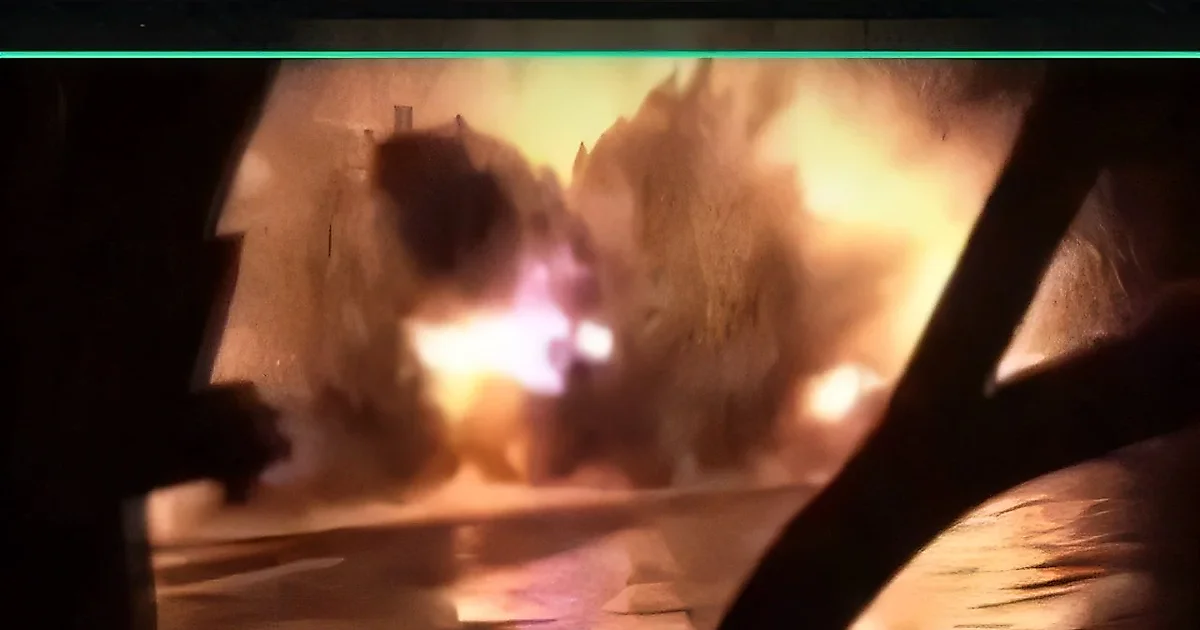
Episode 298 <Issues with the Teacher>
The Prolonged Iran War: Has the United States Lost?
"The dilemma of not being able to look only to the United States" — Professor Park Won-gon of Ewha Womans University analyzes the prolonged US-Iran war and its impact on Korean Peninsula security.
Broadcast: Sunday, October 4, 2026, at 7:30 PM on KBS 1TV
Last August, as President Trump ordered a significant reduction in ROK-US combined military exercises and even mentioned the possibility of resuming North Korea-US dialogue, attention is being focused on changes in the situation on the Korean Peninsula. Behind this is the prolonging US-Iran war. Despite massive military offensives by the United States, the war continues, and the burdens the United States must bear, such as tensions surrounding the Strait of Hormuz and high oil prices, are increasing.
In <Issues with the Teacher>, Professor Park Won-gon of Ewha Womans University joins us to examine the strength and limitations of the United States revealed by the US-Iran war, how the US alliance strategy, which is stuck in the Middle East, is changing, and what impact this will have on North Korea-US relations and Korean Peninsula security.
A war that does not end despite overwhelming US military power: Why?
Professor Park points to the Trump administration's judgment, which underestimated Iran's response capabilities, as the background for the prolongation of the US-Iran war. While the United States has dealt massive damage to Iran's nuclear facilities and military strongholds, Iran is fighting back by using the Strait of Hormuz as leverage to increase the economic burden the United States must bear. Ultimately, the exit from the war depends on negotiations. However, as the difference in positions between the two sides regarding the easing of sanctions and the lifting of maritime blockades remains, the key is who will make the first concession to create a breakthrough in negotiations.
Increasing US burden due to the prolonged war
Professor Park analyzed, "As the war drags on, the price the United States must pay is also increasing." He noted that the estimated war costs alone have exceeded 37.5 billion dollars, and the aftermath of the war, such as rising oil prices and inflation, is affecting the daily lives of Americans.
In particular, with the midterm elections approaching, the burden of public opinion surrounding the war is also growing. Professor Park explained, "Iran is continuing to increase economic and political costs through the Strait of Hormuz to pressure the United States to find an exit first," adding, "This war is a battle of 'who can endure longer' beyond a confrontation of military power."
Cannot rely only on the United States? Allies stepping out for self-reliance
Professor Park analyzes that this Iran war is causing changes not only in the military burden of the United States but also in the US-centered international order. As the United States becomes deeply involved in the Middle East again, the gap between the strategic goals pursued by the United States and the capability to support them has become more distinct. Accordingly, allies and partner nations in Europe and the Middle East are showing movements to strengthen their own defense capabilities and expand regional cooperation networks rather than relying solely on the United States for security.
Professor Park explained, "While US military power is still necessary, doubts are growing about whether the United States will definitely protect them in moments of crisis," and "The dilemma of 'maintaining a relationship with the US but not being able to look only to the US' is appearing as a characteristic of the new international order."
A changing United States: What is the choice for Korean Peninsula security?
As US involvement in the Middle East prolongs, changes are also appearing in the security environment of the Korean Peninsula and the Indo-Pacific. With the reduction of ROK-US combined military exercises and the possibility of resuming North Korea-US dialogue being mentioned, attention is also focused on what direction the future US policy toward North Korea will move.
In particular, if North Korea-US dialogue resumes, the possibility that negotiations will focus on managing North Korea's nuclear and missile threats rather than denuclearization is a point that South Korea must carefully observe.
Professor Park emphasized, "Ultimately, the important thing is not the simple choice of 'whether to trust the United States or not'." He explained that in the changing international order, how to continue the ROK-US alliance while simultaneously building our own defense capabilities is the important question this US-Iran war poses to the Korean Peninsula.
KBS 1TV <Issues with the Teacher> Episode 298, "The Prolonged Iran War: Has the United States Lost?", will be broadcast on Sunday, October 4, 2026, at 7:30 PM. After the broadcast, it can be rewatched through the KBS website (www.kbs.co.kr), Wavve, and the YouTube channels 'KBS Culture' and 'KBS Documentary'.
◆ At a Glance
· Issuing Organization: KBS
· Category: Issues with the Teacher
· Distribution: October 2, 14:00
Source: KBS Press Release
Special Times is striving to deliver faster and more diverse news to readers with the help of AI technology.

Covers K-pop for SPECIALTIMES GLOBAL, and also writes Culture and K-Variety stories.


Comments 0
Comments are currently disabled.