
5,000km Namibia road trip captures vast nature and local life
A KBS 1TV program will follow a 5,000km road trip through Namibia, traveling from Epupa Falls in the north to Fish River Canyon in the south. The journey highlights the country's diverse landscapes, wildlife, and the daily lives of its people.
The KBS 1TV program "Walking Through the World," airing November 7, heads to Namibia, often called the jewel of Africa. Following a 5,000-kilometer road trip from Epupa Falls in the north to Fish River Canyon in the south, the program captures vast landscapes, wildlife, and the daily lives of people met along the way. The journey begins in the northern city of Opuwo with a tasting of mopane worms, a local food, and continues through the water cascading over the arid land of Epupa Falls, Himba villages, wildlife on unpaved roads, and the spectacular scenery where the desert meets the ocean.
The journey begins in northern Opuwo
The starting point of the journey is the northern city of Opuwo. The broadcast first features a scene of tasting mopane worms, a unique local food ingredient. After challenging the unfamiliar food, the journey moves to Epupa Falls, where cool water pours over the parched earth. The trip then visits a nearby Himba village to observe daily life where tradition and change coexist. Within this northern section, food, nature, and community life are presented together, providing a condensed view of northern Namibia.
This section serves as a core route, following a sequence of food culture experiences in Opuwo, a visit to Epupa Falls, and an exploration of Himba villages. After capturing the northern landscapes and people, the journey expands through longer travels. The program establishes the starting line for encountering life in Namibia at this stage.
Wildlife encountered on unpaved roads
After passing the north, the scenes transition to unpaved roads. Giraffes and oryx appear on the bumpy roads, giving travelers a sense of the reality of being in Africa. The oryx is introduced as a type of African antelope, emphasizing the ecological encounters found on the road. In this section, the road itself becomes part of the landscape rather than just a means of travel.
In Spitzkoppe, travelers are greeted by natural arches and massive rocky mountains. The broadcast also captures scenes of enjoying camping under starlight and a sunset that turns the landscape red. The following table summarizes the main sections and contents mentioned in the broadcast structure.
| Section | Content |
|---|---|
| Opuwo | Tasting mopane worms |
| Epupa Falls | Water flowing through arid land |
| Himba village | Daily life where tradition and change coexist |
| Spitzkoppe | Rocky mountains, natural arches, and camping |
| Dune 45 | Watching the sunrise |
Camping under the stars is positioned as a scene symbolizing the romance of a road trip. The natural terrain of Spitzkoppe is introduced as a place showing another facet of traveling in Namibia, with the sky and rocky mountains filling the screen after sunset. The composition stands out for connecting the fatigue of travel with natural scenery.
Villages sharing water and desert elephants
In the village of Deriet, a special water station appears where water is shared even with wildlife. Here, residents tell stories of coexisting with elephants, which were once feared beings. The program introduces the living environment of Namibia through scenes of people and wildlife sharing water. During the journey, a family of desert elephants is also encountered, including a moment of tension when an elephant suddenly changes direction.
This segment shows another face of Namibia by grouping the water station in Deriet with the encounter with desert elephants. The structure connects the human village and the movement of wildlife within the same space. The broadcast conveys the stories of residents coexisting with elephants and captures the moment of facing a desert elephant family during the actual trip. According to the materials, this section is presented as a moment where surprise and excitement coexist.
Scenery where the desert meets the sea
Moving south, the representative landscapes of Namibia follow. The broadcast captures the breathtaking scenery of Sandwich Harbour, where massive sand dunes meet the waves of the Atlantic Ocean. In Walvis Bay, various marine creatures such as seals and pelicans are encountered. The identity of a massive guest that has crossed the sea for a long time is also revealed here. The program is structured so that viewers can confirm which nature and which beings are connected.
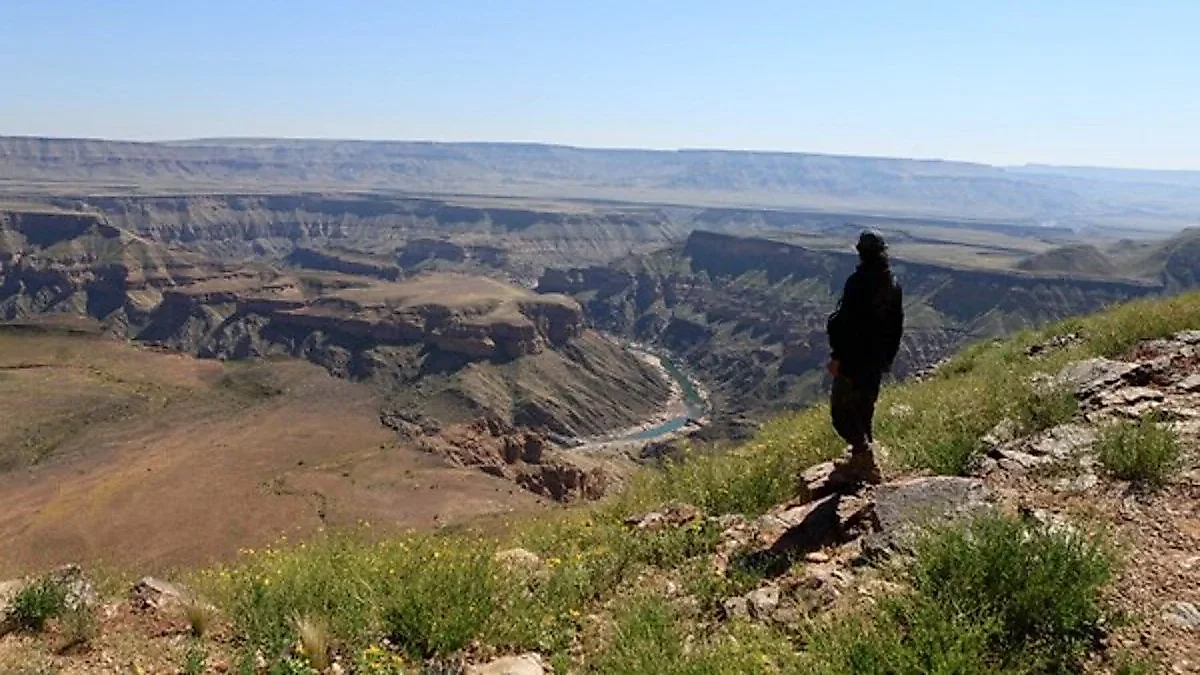
The journey concludes with the grand Fish River Canyon and the sunrise at Dune 45. The epic journey is summarized by passing through Fish River Canyon and welcoming a new morning in the desert. The broadcast ends by reflecting on the beautiful scenery and warm people met on the road. The 5,000-kilometer movement connecting northern and southern Namibia, the desert and the sea, and villages and wildlife is contained within a single program.
Airing on November 7 at 9:40 AM on KBS 1TV, this episode follows a road trip from Epupa Falls in the north to Fish River Canyon in the south. The broadcast has announced a sequence starting from the food experience in Opuwo, leading to Himba villages, Spitzkoppe, Deriet, Sandwich Harbour, Walvis Bay, Fish River Canyon, and Dune 45. The great nature of Namibia and life on the road will be revealed in this order.

Covers K-pop for SPECIALTIMES GLOBAL, and also writes Culture and K-Variety stories.



Comments 0
Comments are currently disabled.