
SGIFF to Maintain 'The Assassin(s)' as Opening Film Despite Controversy
The SGIFF announced it will proceed with screening 'The Assassin(s)' as its opening film despite historical distortion controversies and demands for its withdrawal. 109 People Power Party lawmakers sent a letter requesting the festival reconsider the selection, citing concerns over historical accuracy.
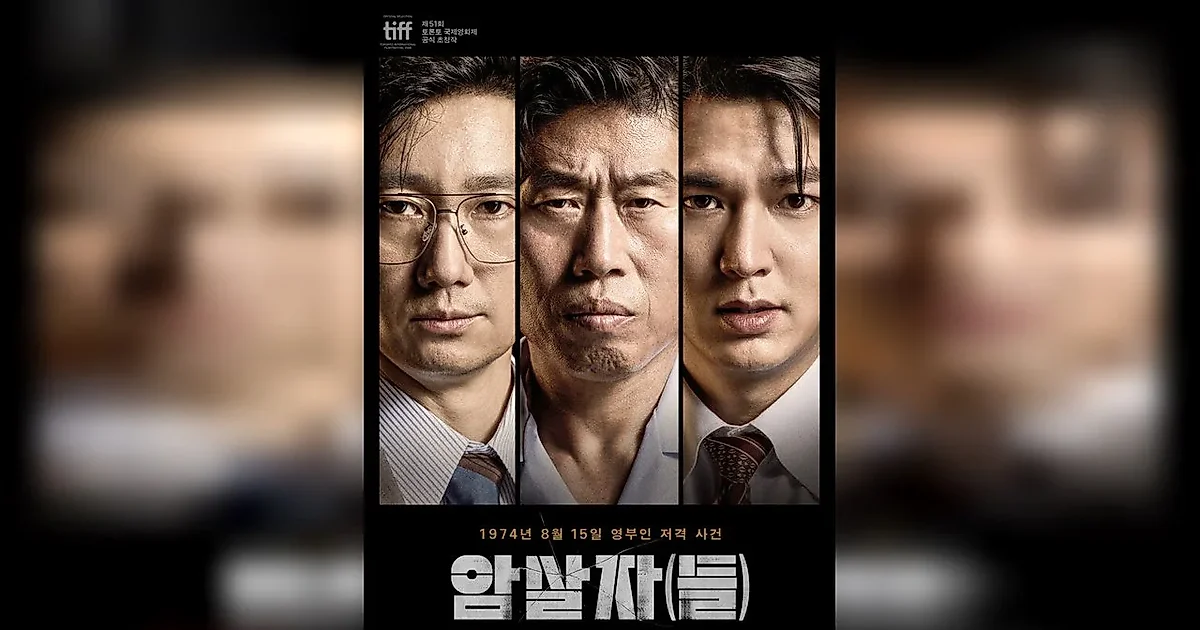
The SGIFF announced that it will screen the film 'The Assassin(s)' as scheduled, despite the controversy surrounding historical distortion and demands to withdraw it as the opening film. The 37th festival released an official statement on the 7th, announcing that it will maintain the work's status as the opening film. The festival explained that the work was selected through an independent programming process and that it respects the creative vision of the production team. In South Korea, criticism has continued regarding the film's subject matter and depiction of events, and 109 People Power Party lawmakers sent a letter to the festival requesting a reconsideration of the opening film selection. The festival stated its position that it will introduce the work as a creative piece, rather than a film for historical conclusions or political purposes.
Maintaining Opening Film Amid Controversy
The 37th SGIFF stated in an official statement on the 7th that while it is aware of the discussions surrounding 'The Assassin(s)', there are no changes to the plan to screen it as the opening film. The festival stated, "We respect the creative vision of the production team, and this work is scheduled to be screened unchanged as the opening film of the 37th SGIFF." Regarding the selection of the opening film, it explained that it went through an independent programming process based on the work's artistic achievement and contribution to contemporary Asian cinema. This formalizes the position that it will not change the selection criteria or screening plans even after the controversy was raised.
The festival relayed that the production team has described the work as a product of cinematic imagination that combines fictional characters and situations with historical events. It added that the production team stated they did not make the film to draw historical conclusions, distort facts, or for political purposes. In the same context, the festival said it would present the work as a single creative piece. The official statement explained SGIFF's role as providing a platform to introduce meaningful films from Singapore, Asia, and around the world, and helping audiences experience diverse stories and perspectives. The festival also expressed its intention to welcome audiences with a variety of films and experiences.
Film Motivated by 1974 Incident
'The Assassin(s)' is motivated by the shooting incident of First Lady Yuk Young-soo that occurred on August 15, 1974. At the time, investigative authorities stated that Moon Se-gwang, who received instructions from North Korea and the General Association of Korean Residents in Japan, attempted to assassinate Yuk. The film has sparked controversy by implying the possibility that there were accomplices in this incident, and the possibility that the Park Chung-hee regime, which was cornered by the Kim Dae-jung kidnapping incident, orchestrated the event to escape the crisis. As such depictions in the film and interpretations of the actual event intertwined, a debate over the scope of historical fact and creation has continued in South Korea.
The conservative camp criticized the film for defaming former President Park Chung-hee and the bereaved family, and for containing content similar to North Korea's claims. People Power Party lawmaker Joo Jin-woo reportedly described the lead actor Yoo Hae-jin as having a "North Korean look" and raised allegations of pressure on a state-run bank investment. The letter sent by People Power Party lawmakers to the festival also claimed that the work raises the possibility of involvement by power institutions in the actual event and leaves an interpretation that former President Park, the spouse of the actual victim, could have been related to the incident. However, the festival stated, quoting the production team's explanation, that the work was not made to draw historical conclusions or for political purposes. In its official position, the festival presented the stance of screening it as a creative work rather than re-judging the film's historical interpretation.
109 People Power Party Lawmakers, Letter Requesting Reconsideration
On the 6th, the People Power Party sent a letter to SGIFF requesting the withdrawal of the opening film selection under the names of all 109 affiliated lawmakers. The recipient of the letter, written by floor leader Jung Jeom-sik on behalf of the lawmakers, was Jeremy Chua, the festival's executive director. Jung argued that since the opening film is the work that opens the festival, careful judgment and responsibility are required in its selection. The letter contained the intent that the opening film goes beyond a simple screening work; it is the work presented first to the global audience by the festival and symbolizes the festival's values and sense of critical awareness.
The People Power Party argued that a film based on an actual event blurs the line between historical fact and fiction and combines unverified suspicions, claiming this is "a problem difficult to explain solely through freedom of creation." The letter also stated the position that it is not a demand to limit the freedom of creation. The intent was to ask for a review of whether granting the status of opening film to a work that distorts a historical tragedy involving actual victims and bereaved families aligns with the values the festival has pursued. The People Power Party also raised concerns that it could give a wrong historical perception to overseas audiences. In response, the festival announced on the 7th that it would maintain the opening film screening, reaffirming its existing position that the work was selected through an independent programming process.
Scheduled to Screen in Singapore on October 21}
'The Assassin(s)' is scheduled to be screened at the Sands Theatre at Marina Bay Sands on October 21. It has been reported that all screening tickets are sold out. The festival mentioned in its official statement that the work was screened as a world premiere at the Toronto International Film Festival. Regarding the South Korean release performance, it stated, based on Korean Film Council data, that it has mobilized approximately 2.5 million viewers so far, and the seat occupancy rate during the Chuseok holiday period recorded approximately 47%. While introducing such screening history and achievements, the festival explained that the reason for selecting the opening film lies in its artistic achievement, contribution to contemporary Asian cinema, and the independent programming process.
| Item | Record |
|---|---|
| South Korean Audience | Approximately 2.5 million people |
| Chuseok Holiday Seat Occupancy Rate | Approximately 47% |
| Lawmakers participating in the withdrawal request letter | 109 people |
| Scheduled Singapore screening date | 21st |
SGIFF is maintaining its plan to screen 'The Assassin(s)' as the opening film at the 37th festival. The festival stated its position to provide diverse stories and perspectives to the audience, and the scheduled screening venue is the Sands Theatre at Marina Bay Sands. Following the demand for withdrawal raised in South Korea and the festival's official response, the work is scheduled to be screened to the Singaporean audience on October 21.

Covers K-pop for SPECIALTIMES GLOBAL, and also writes Culture and K-Variety stories.
Comments 0
Comments are currently disabled.