
Kim Gwi-jeong episode leads terrestrial educational and entertainment ratings in its time slot
Episode 244 of SBS’s The story of the day when the tail was bitten revisited Kim Gwi-jeong’s death and the more than 1,000 students who gathered to protect her body. The broadcast ranked first among terrestrial educational and entertainment programs in its time slot, according to nationwide Nielsen Korea data.
SBS’s The story of the day when the tail was bitten ranked first among terrestrial educational and entertainment programs in its time slot with an episode revisiting the death of student Kim Gwi-jeong and the young people who risked their lives to protect her body.
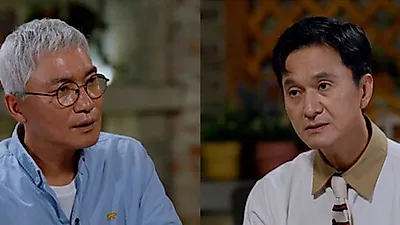
Episode 244, “Protect Gwi-jeong — 35 Years of Keeping Watch,” aired on the 15th. Singer TEN, actor Jo Jae-yun and announcer Park Sun-young appeared as listeners, following the struggle to uncover the truth and protect one another amid abuses of state power. The ratings ranking was based on nationwide Nielsen Korea data.
Directed by Ahn Yoon-tae, Lee Keun-byeol and Moon Chi-young, the episode traced a confrontation that brought more than 1,000 students together overnight to prevent the seizure of Kim’s body and a forced autopsy. It also revisited her pledge, “I will not live thinking only of my own well-being,” and how her death moved people even though their efforts did not change the investigation’s findings.
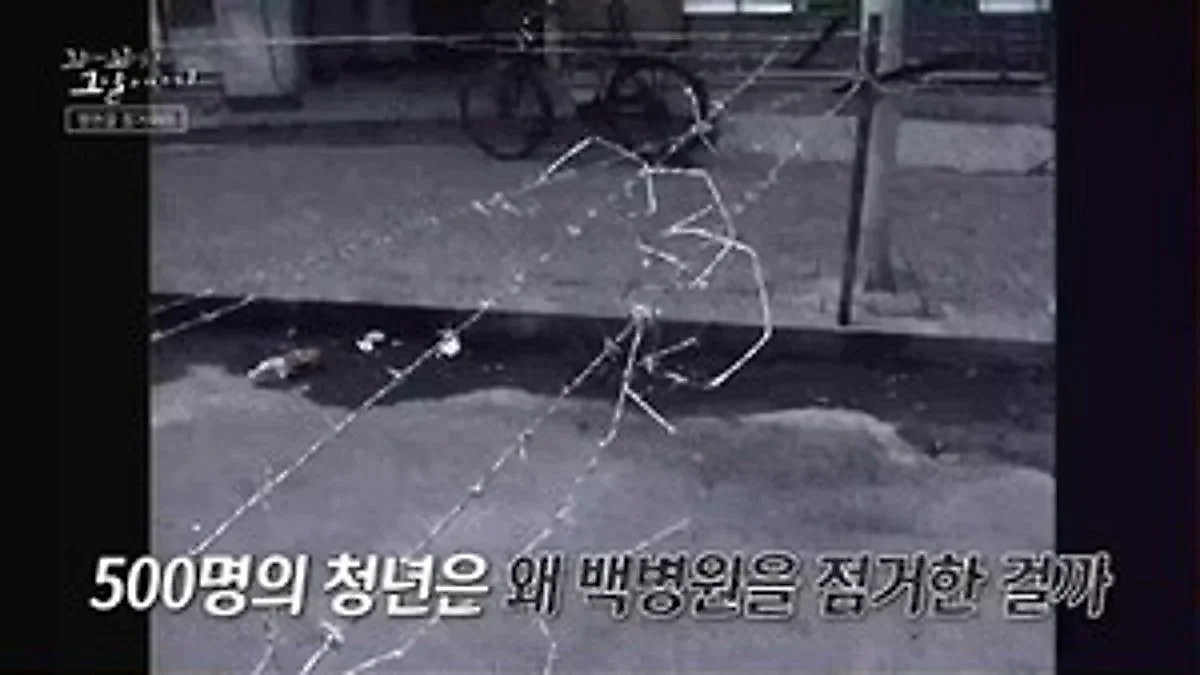
Before dawn on May 26, 1991, dozens of police buses and large numbers of officers stood outside a hospital in Myeong-dong, Seoul. A group carrying metal pipes and wooden clubs then broke through the police cordon and rushed inside.
They were about 500 young people, mainly students from Sungkyunkwan University. They occupied the hospital and were prepared to sleep there to protect the body of their friend, Kim Gwi-jeong.
Kim, a 26-year-old Sungkyunkwan University student, had been found dead in an alley near Chungmuro the previous afternoon. Police promptly described her death as an accident, saying she had fallen after being pushed by a large crowd and died from compressive asphyxia. They urged a swift autopsy and funeral.
Her friends believed the authorities would attempt a forced autopsy to conceal the truth. They posted news of her death on a bulletin board at a bookstore near the university. Overnight, more than 1,000 students arrived from across the country to prevent her body from being taken. Calling themselves the “Kim Gwi-jeong Defense Squad,” they barricaded the hospital entrance and began guarding the morgue.
The episode also recalled Kim’s life before her death. The second daughter of a mother who ran a market stall, she was her mother’s pride and studied determinedly despite poverty. She paid her own way into Sungkyunkwan University by working as a factory assistant during the day and at a restaurant at night.
But watching friends being detained and injured under the military dictatorship caused her inner conflict. She eventually joined the fierce street protests, where she lost her life.
As the deadline for executing a prosecution search-and-seizure warrant approached one dawn, police attempted to forcibly remove her body. About 1,500 riot police from 12 companies were mobilized. A crowd-control water cannon sprayed water mixed with tear-gas solution as officers entered the hospital.
Students defended the building for more than an hour despite suffering head wounds and burns. Watching the account, Park said, “It feels as though I can hear the screams from the scene,” expressing her distress.
Unable to bear seeing more students hurt, Kim’s mother ultimately agreed to an autopsy. The officially announced cause of death was “asphyxia caused by chest compression.”
Students and figures from various sectors challenged that finding and formed a civilian fact-finding team. Through testimony from injured people and photographs of the scene, they established that police had used excessive force against demonstrators fleeing into an alley to escape a police corralling tactic known as “rabbit herding.”
Police fired more than 2,700 tear-gas rounds in 30 minutes that day. One student was struck directly in the head by a hand-thrown tear-gas grenade known as an “apple grenade,” lost consciousness and required emergency surgery.
Photographs from the alley showed police trampling students who had fallen. Seeing footage of tear-gas powder being sprayed into protesters’ faces, Jo said, “It’s so horrific,” and was left speechless.
The program placed Kim’s death in the upheaval of spring 1991, when young people carried out a succession of self-immolations and fatal leaps in protest against a government that had violently suppressed demands for democratization. Calls for the government to step down spread across the country.
The episode recounted Kim’s death as another result of excessive police force during that period. The government and prosecutors, however, continued to deny excessive force and maintained that she had died accidentally after being trampled by fellow demonstrators.
About 30,000 citizens voluntarily took to the streets to mourn Kim during her funeral. Jo expressed gratitude for their solidarity.
“So many people mourned, took part and worked to make a better world,” he said. “That is how the world we live in today came to be.”
After a civilian government took office, Kim’s family and friends sued the state. A court eventually recognized that her death had resulted from negligence in the performance of police duties and excessive force.
Thirty-five years after her death, the episode raised questions about living without shame and acting justly. Park said it prompted her to examine her own choices.
“I, too, have let many things pass with the excuse that I only need to focus on my own life right now,” she said. “It makes me look back at that side of myself.”
After the broadcast, viewers shared emotional responses on social media and online communities. One wrote, “That pledge not to live only for my own well-being leaves me so heavy-hearted.” Others said, “I feel grateful again that the freedom we have today came through so many people’s sacrifices,” and “I cried until my eyes were swollen.”
The story of the day when the tail was bitten features three storytellers—Jang Hyun-sung, Jang Sung-kyu and Jang Do-yeon—who study each subject themselves, then share what they have learned and felt with their respective “story friends” in one-on-one conversations in everyday settings. It airs on SBS every Thursday at 10:20 p.m.
Copyright © SBS & SBSi. All rights reserved. Unauthorized reproduction, redistribution and use for AI training are prohibited.

Covers K-pop for SPECIALTIMES GLOBAL, and also writes Culture and K-Variety stories.

Comments 0
Comments are currently disabled.