
The Dining Table of Submerged Displaced People: Hwasun Mushroom Cat Stew and Jinan Ginseng Kimchi
The program explores the "taste of home" preserved through food by people whose hometowns were submerged due to dam construction.
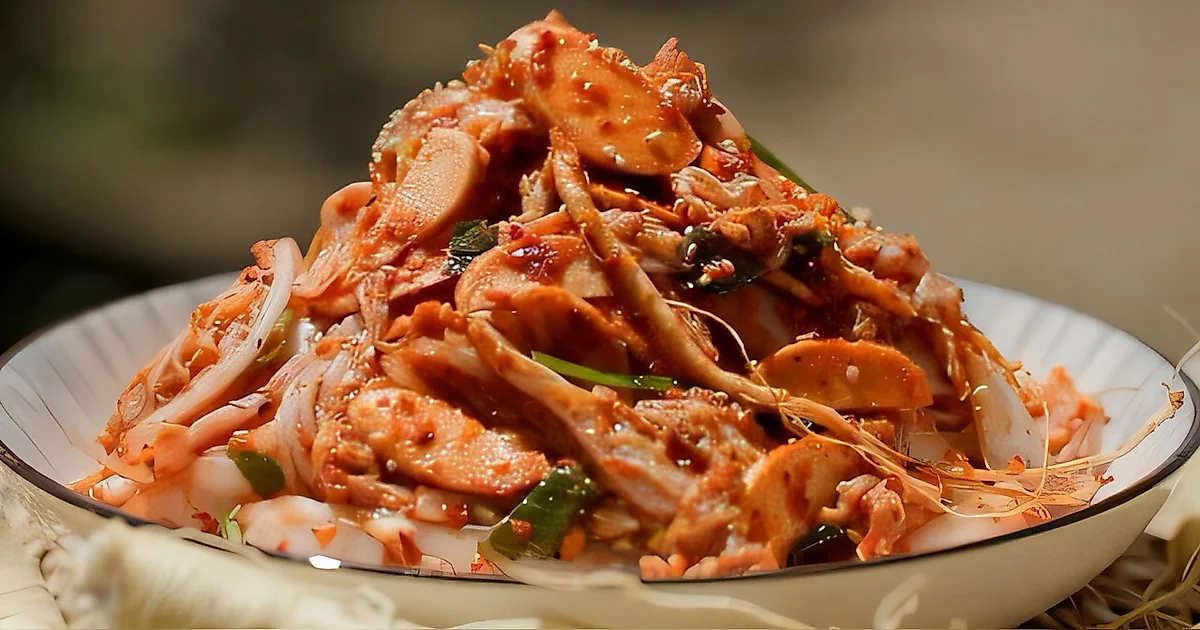
Episode 722 of Korean Cuisine and Dining>
Scenery seen when closing one's eyes... Shaping longing with fingertips
The taste of memory made while longing for a submerged hometown... Hwasun Mushroom Cat Stew and Jinan Ginseng Kimchi
Broadcast: Thursday, October 1, 2026, at 7:40 PM on KBS 1TV
Amidst the massive currents of industrialization and national development, numerous villages across the country have been submerged under water. For those who lost their livelihoods in an instant and became displaced people, home is now a distant land of longing that can only be visited by closing one's eyes. However, there is something that even deep waterways could not sever: the "taste of home" clearly imprinted on the tip of the tongue and the fingertips.
People who reminisce about nostalgic times amidst billowing steam and capture the scenery of their hometown in a single piece of food crafted with wrinkled fingertips. Through a single meal prepared while longing for home, we highlight the tearful sorrows of submerged displaced people who lost their hometowns and the true meaning of home they have kept deep in their hearts.
The hometown land that sank under the water - Iseo-myeon, Hwasun-gun, Gwangju Metropolitan Special City
Seo Deok-ho, who has been visiting the Hwasun Red Cliffs every day since his cancer recurred four years ago. His hometown was a village nestled below the Hwasun Red Cliffs, considered the finest among the 11 scenic views of Hwasun. However, with the construction of the Dongbok Dam 45 years ago, not only his beloved house and village but also his childhood memories were deeply submerged under the water.
On days when he misses his hometown intensely, Deok-ho gathers his old village friends. From the "Sangchu-dae-eo-juk" (lettuce and fish porridge) they used to make while playing in the stream, to the "Mushroom Cat Stew" that comforted them during their weary lives in a foreign land, and even the "Susu-bukkkumi" (sorghum pancakes) and savory "Perilla Taro Soup" that invariably appeared on ancestral ritual tables during holidays. By preparing food that holds the memories of home remaining on his tongue, he takes a brief time travel back to his old hometown across the waterway.
Displaced people of the Dongbok Dam who have lived their entire lives with their hometowns buried in their hearts. As holidays approach, their feelings toward their hometown become even more earnest. Although the village has disappeared under the water, the ancestral mountains where their ancestors are enshrined still hold their place. Seo Deok-ho (66) said that until a forest road was opened just four years ago, he had to cross the waterway by boat to visit ancestral graves. He also wishes to one day lie beside his parents and look out at his hometown, presenting the sorrowful stories of submerged displaced people who cannot forget even in death through the dining table.
A second hometown met after overcoming the pain of submersion - Ancheon-myeon, Jinan-gun, Jeonbuk Special Self-Governing Province
Ancheon-myeon, Jinan-gun, Jeonbuk Special Self-Governing Province. Here, there is a special village created by embracing the great pain of submersion together. It is "Bohan Village," a new place of life cultivated by the displaced residents of six towns and townships that were submerged under water when the Yongdam Dam was constructed about 20 years ago. Although their hometowns are different, these people are much alike in that they live with the same sorrow of having lost their homes. Perhaps that is why they live sharing each other's joys and sorrows with deep affection, like family.
The people of Bohan Village sit together whenever they can to share food. At the dining table where steam rises, stories of hometowns always bloom profusely. From "Eotang-sujebi" (fish soup with hand-torn dough) and "Zacco Minnow Stew" boiled spicy with freshwater fish caught in the stream in front of their houses, to "Ginseng Baeksuk" (ginseng whole chicken soup) and "Ginseng Kimchi" that they enjoyed eating in the days when every household grew ginseng—though it is now a longing land that they must bury deep in their hearts, through a warm meal prepared while longing for home, we reflect on the true meaning of "home" and "hometown."
(Photo provided = KBS 1TV 'Korean Cuisine and Dining')
◆ At a Glance
· Publishing Institution: KBS
· Category: Korean Cuisine and Dining
· Distribution: September 30, 11:01
Source: KBS Press Release
Special Times is striving to deliver faster and more diverse news to readers with the help of AI technology.

Covers K-pop for SPECIALTIMES GLOBAL, and also writes Culture and K-Variety stories.
![[2026 Asian Games] An Se-young's second consecutive Asian Games title broadcast; SBS ranks 1st in four viewership metrics](/storage/specialtimes-global/2026/09/fb3800bb-a18f-41d4-aa42-a3fd787762e2-a6e85d89-thumb.webp)
![[2026 Asian Games] Men's Football Challenges for 4th Consecutive Title, Semifinal Against China Broadcast Live on MBC Today](/storage/specialtimes-global/2026/09/6df028ea-39fc-48bf-9ff4-85cc3582625a-d28e420b-thumb.webp)

Comments 0
Comments are currently disabled.