
In-Depth 60 Minutes: The Reality of Nursing Home Elder Trading... 15 Million Won Premium per Resident
KBS 1TV's "In-Depth 60 Minutes" investigates how the number of residents in nursing homes is used to calculate premiums during sales…
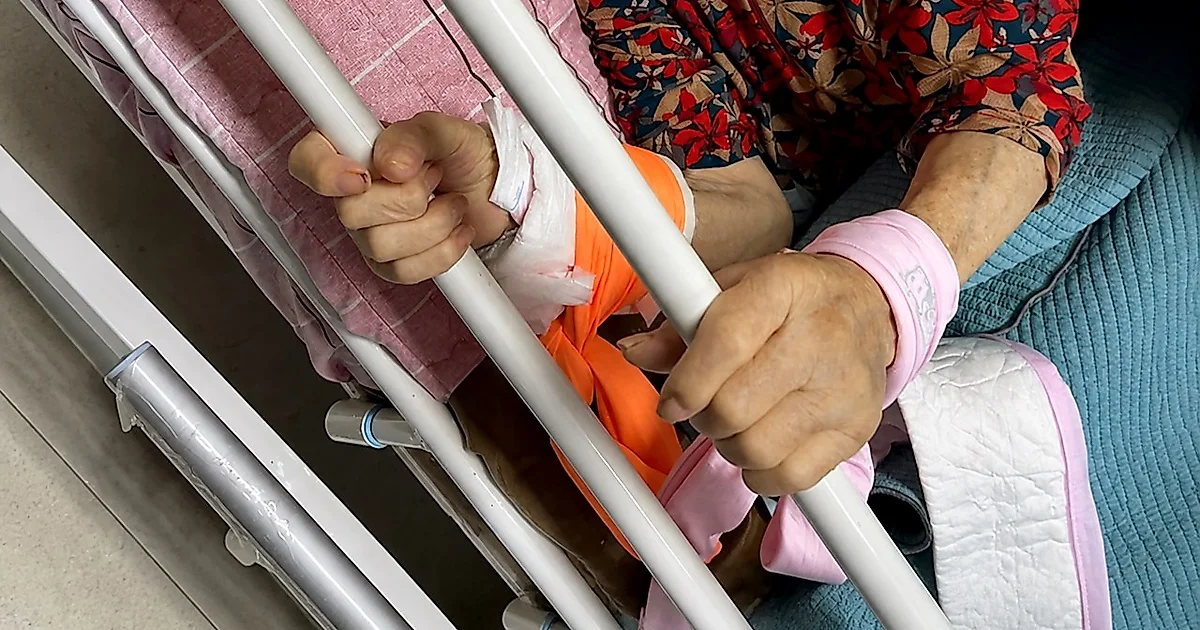
KBS 1TV current affairs program In-Depth 60 Minutes will broadcast the 1470th episode, "The Bare Face of a Super-Aged Society Trilogy - Part 3: Care Business, the Trade Between Nursing Homes and the Elderly," on Friday, August 28 at 10 PM. This episode investigates the structure where the number of residents is used as a criterion for calculating premiums during the sale of nursing facilities, through a case of a nursing home that neglected residents despite fall accidents and the spread of infectious diseases.
Falls, Scabies Infection, and Sale
According to the production team, Jo Sun-im, who is in her 80s, fell and was seriously injured while bathing at a nursing home, but was moved back to the facility despite the emergency room's recommendation for hospitalization, and the accident was only reported to her family a day later. During the same period, testimony from employees emerged that scabies, an infectious disease, was spreading in this nursing home, but measures to prevent the spread, such as full-scale treatment, were not carried out in time. The investigative team noted that this nursing home was facing a sale at that time.
Number of Residents Equals Premium, Even Admission Brokers Exist
According to testimony from industry insiders, when a nursing home is sold, the number of residents as of a specific date is reflected in the calculation of the premium, and there are cases where approximately 10 million to 15 million won per resident is added to the premium. Families raised suspicions that the nursing home, facing a sale, may not have properly informed them of Jo's recommendation for hospitalization and the scabies infection due to concerns about a drop in the premium caused by a decrease in the number of residents. The Ministry of Health and Welfare stated that calculating the transfer price based on the number of residents is difficult to view as a violation of current law, but explained that the act of mediating or inducing recipients in exchange for money is prohibited by law. The investigative team also secured testimony from industry insiders that so-called "admission brokers" exist, who receive money for connecting residents to nursing homes.
Management Agencies That Did Not Act Despite Multiple Reports
In other nursing homes contacted by the investigative team, suspicions of abuse, such as tying the bodies of residents for long periods without the consent of guardians, as well as poor hygiene and meal management, were confirmed, and employees testified that they reported these issues to local governments and other agencies multiple times, but no on-site inspections or substantial improvement measures were taken. Nursing home official Lee Min-ji (pseudonym) said, "Employees reported to the city hall, the Service, and even specialized elder abuse agencies many times. I know of three public interest whistleblowers alone. But even when we reported, nothing changed. It was so strange that I eventually reported it to the broadcasting station." Experts pointed out that local governments may find it difficult to take active sanctions due to concerns such as the burden of litigation following administrative measures, and noted that the evaluation method of the National Health Insurance Service needs to be supplemented so that the actual state of care can be verified beyond checking documents and records.
| Item | Content |
|---|---|
| Program | In-Depth 60 Minutes |
| Broadcast | KBS 1TV, August 28 (Fri) 10 PM |
| Subject | The Bare Face of a Super-Aged Society Trilogy - Part 3 'Care Business' Nursing Home and Elder Trade |
| Appearance | Nursing home official Lee Min-ji (pseudonym) and others |
Source: KBS Press Release
Special Times is striving to deliver faster and more diverse news to readers with the help of AI technology.

Covers K-pop for SPECIALTIMES GLOBAL, and also writes Culture and K-Variety stories.

Comments 0
Comments are currently disabled.