
SBS documentary to mark 100th anniversary of novelist Park Kyong-ni
An upcoming SBS documentary, "Human Park Kyong-ni," will commemorate the 100th anniversary of the author's birth by exploring her intense literary devotion and the personal hardships she faced. The program features narration by actor Yoo Jun-sang, who appeared in the drama adaptation of her epic work, "Toji."
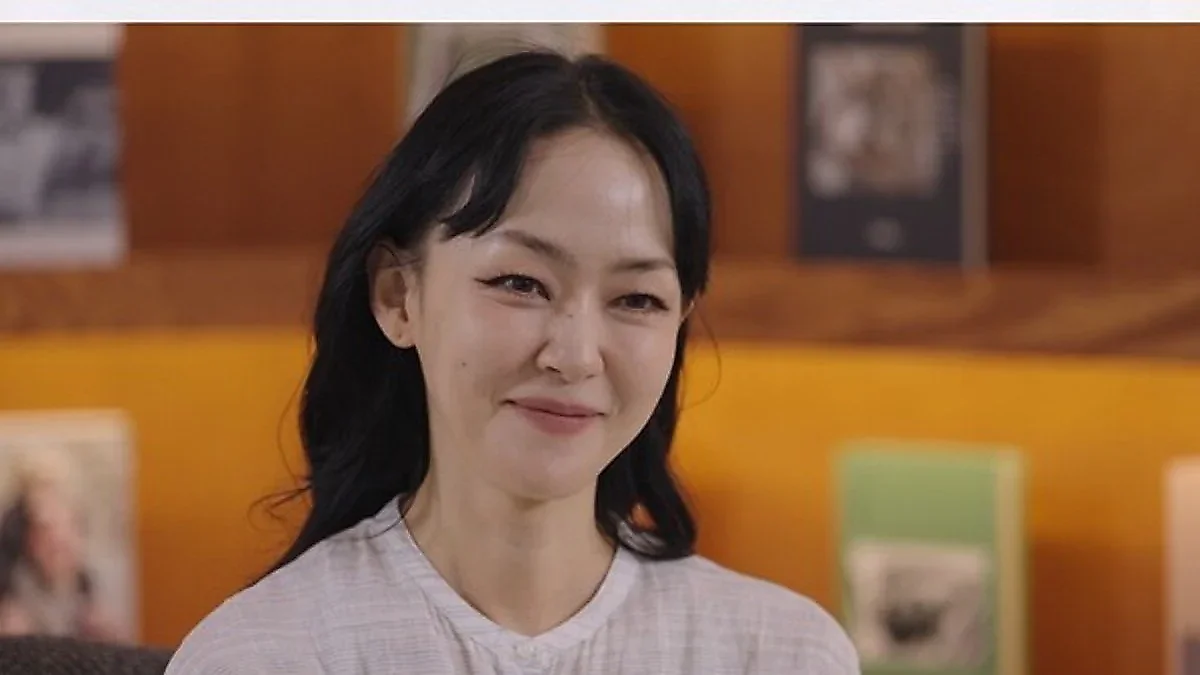
An SBS documentary titled "Human Park Kyong-ni" will air on October 25 to mark the 100th anniversary of the master novelist's birth. The program explores the life of the author behind the 20-volume epic "Toji," which took 26 years to complete.
The SBS documentary "Human Park Kyong-ni" will mark the 100th anniversary of the author's birth, shedding light on the obsession behind her massive literary world and the life of the individual hidden behind the master's name. The program follows the "human Park Kyong-ni," a writer who refused to put down her pen despite successive losses, a mother who took responsibility for her family's daily life, and a country woman who tenderly cared for small lives, tracing the time when her work and life were intertwined.
The literature of a master revisited on her 100th anniversary
Park Kyong-ni established a massive milestone in Korean literature by exploring human destiny and the value of life through "Toji." Even as she gained fame and built her literary achievements, her daily life was marked by the turbulence of the era and the pain of losing family members. Yet, refusing to yield to a harsh life, she walked the path of literature steadfastly, releasing profound works including "Toji," "Pyoryudo," "The Daughters of Dr. Kim," "Market and Battlefield," and "Fasi."
This year, marking her 100th anniversary, Park Kyong-ni's literature is once again approaching readers. Interest in her works continues on social media, and commemorative events have been held across the country. The broadcast will cover diverse 100th-anniversary events, ranging from a "Toji" dance drama held in Wonju, where the author spent her later years, to translated editions for overseas readers, reflecting on the unchanging value of her literature despite the changing times.
The power of "Toji," the pinnacle of Park Kyong-ni's literature
"Toji" stands as the peak of Park Kyong-ni's literary career and a major achievement of Korean literature. The 20-volume epic saga, which took 26 years to complete, captures half a century of national history, starting from Pyeongsa-ri, Hadong in 1897, through the Japanese colonial period, up to the liberation in 1945. Featuring approximately 650 characters and spanning 40,000 manuscript pages, this vast narrative contains the love and conflicts of various human groups and the will to survive amidst violent waves of life.
Acclaimed by both the literary community and readers, "Toji" was also broadcast as an SBS drama in 2004 and continues to resonate deeply with readers today. The documentary explores why people still seek out "Toji" through reading groups of literature enthusiasts and high school students, examining the power that allows the work to be read across generations.
The life of Park Kyong-ni we did not know
“If my life had been smooth, I would not have done literature,” Park Kyong-ni once said.
Before the name "Park Kyong-ni" became known, the waves of life hit the young girl Park Geum-i harshly. There was the absence of her father, the death of her husband during the Korean War, and subsequently, the loss of her young son. Although she continued her literary activities while raising her daughter alone, hardships did not cease. During the serial publication of the first part of "Toji," she underwent surgery for breast cancer, and during the military dictatorship, she faced desperate times protecting her family as her son-in-law, the poet Kim Ji-ha, was imprisoned.
The trials she faced became the very foundation of her literature. Despite criticisms that she was "selling her misfortunes to make money," Park Kyong-ni stated that she felt she would die if she did not write. The documentary uses vivid testimonies from those who observed her closely—including her grandson Kim Se-hui, author Gong Ji-young, and ecologist Choe Jae-chun—along with AI video to depict the poignant and strong life of the "human Park Kyong-ni" that was hidden behind the name of the master.
What Park Kyong-ni left behind
Even after writing the final sentence of "Toji" in 1994, Park Kyong-ni's life continued through the act of caring and nurturing. She poured her heart into small lives, feeding stray cats and tending to her vegetable garden. Touching the soil and watching the process of life growing was her way of practicing the value of life that she explored in her literature in her daily life. To her, nature was not a mere backdrop for humans, but a habitat where various lives live together. This sentiment also extended to her voice toward the world; she published the environmental quarterly "Sumsori," emphasized the importance of environmental protection at ecological conferences, and spoke out regarding the restoration of Cheonggyecheon.
Her caring touch also reached junior artists. Park Kyong-ni established a creative studio at the Toji Cultural Center and personally prepared meals for those who visited. Approximately 1,600 artists have passed through this place. Writers such as Park Wan-suh, Eun Hee-kyung, and Park Beom-shin, as well as singer Kim Min-gi and artists from various fields, have stayed there, including bestselling authors and literary award winners. The documentary listens to the recollections of those who passed through to tell the story of Park Kyong-ni as a supportive elder who provided a reliable fence so they could unfold their respective artistic worlds.
Even after Park Kyong-ni passed away in 2008, life continues to grow in her garden and new stories are being written in the creative studio. The documentary reflects on the values of life and care left to us today by Park Kyong-ni, who cherished life and cultivated a foundation for the next generation.
Narration is provided by actor Yoo Jun-sang, who appeared in the SBS drama "Toji," adding authenticity to the story of "Human Park Kyong-ni."
The SBS special documentary "Human Park Kyong-ni" will be broadcast on Sunday, October 25, at 11:05 PM.
Copyright © SBS & SBSi. All rights reserved. Unauthorized reproduction, redistribution, or use for AI training is prohibited.

Covers K-pop for SPECIALTIMES GLOBAL, and also writes Culture and K-Variety stories.

Comments 0
Comments are currently disabled.