
Korean Cuisine and Dining Episode 774: Yeongam long-arm octopus, Geum River ginseng, and Haenam hairtail Autumn Hot Pot
This episode of Korean Cuisine and Dining explores the diverse world of "jeongol" (hot pot), featuring seasonal ingredients like long-arm octopus, ginseng, and hairtail. It follows the journey of these dishes from rustic field meals to royal banquets, highlighting the warmth and community found in sharing a single pot.
Episode 774 Korean Cuisine and Dining>
"The jeongol is boiling!" All of creation in one pot
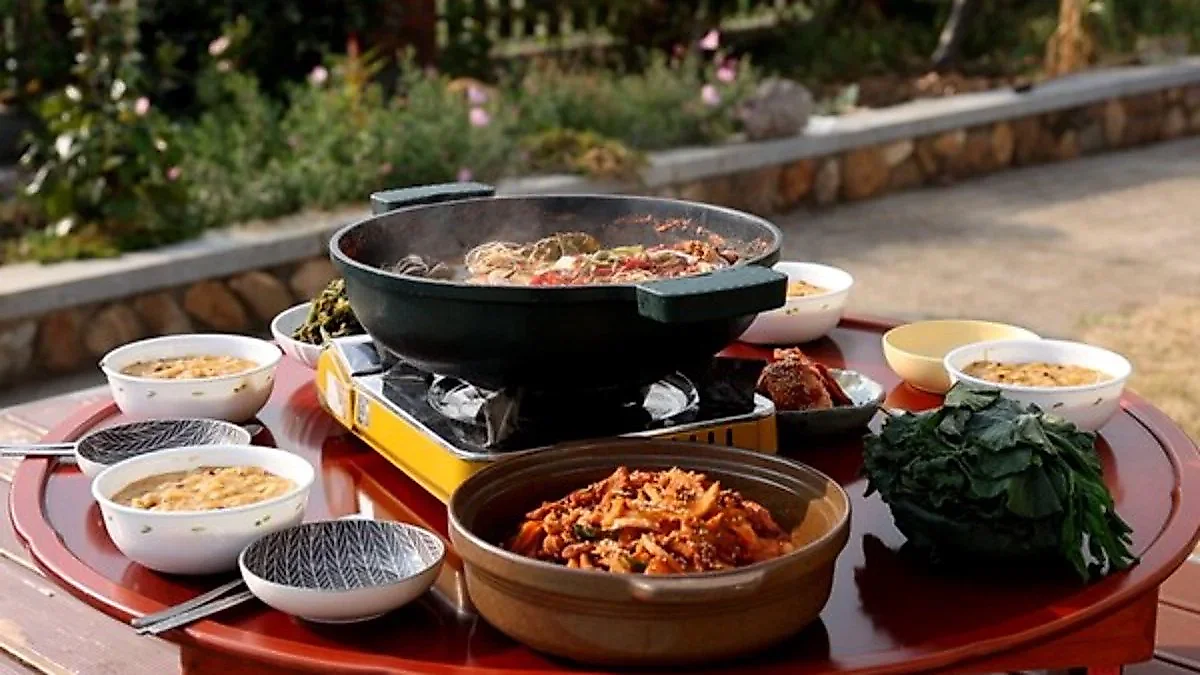
'Dae Jang Geum' Master Kim Ji-young X Fermentation Researcher Kim Myeong-seong... A feast of autumn jeongol, including long-arm octopus jeongol cooked in the cast-iron pot 'Jeolpit-tu'!
Broadcast: Thursday, October 15, 2026, at 7:40 PM KBS 1TV
Jeongol, the highlight of soup dishes. A single pot containing the abundance of autumn and human affection; starting from the rough iron hats (helmets) used in the field, it evolves into the most magnificent banquet. A jeongol odyssey unfolds.
A soup dish that cannot be missed from our dining table. While there are various types including tang, guk, and jjigae, one dish stands out as the best. It is jeongol, where various ingredients are placed together and boiled directly on the table. From the rustic field tables where soldiers used jeolpi (military hats) to boil food, to the royal cuisine served on the king's table, jeongol has remained by our side for a long time.
While tang or guk are completed dishes, jeongol is a unique food where the flavors of the ingredients are added and completed while eating. It only achieves a deep flavor when the tastes of the mountains, fields, and sea are gathered together and combined with much care and sincerity. Just as different ingredients harmonize to form a single flavor, our lives also become more abundant when we are together. In this week's 'Korean Cuisine and Dining,' we look into jeongol filled with the abundance of autumn and the warm affection of life melted within it.
From the field to the royal table, the delicious evolution of Jeolpit-tu - Yeongam-eup, Yeongam-gun, Jeonnam Gwangju Integrated Special City
Underneath Wolchulsan, which boasts scenery like a traditional landscape painting, Kim Myeong-seong (53), a researcher of traditional fermented foods, meets Kim Ji-young (49), a culinary master who oversaw the royal cuisine of the drama 'Dae Jang Geum.' What the two hold in their hands is none other than a uniquely shaped cast-iron pot, 'Jeolpit-tu (氈笠套).' According to old records, jeongol originated from soldiers taking off their iron hats (helmets) to boil food, and it is a unique traditional cooking tool of ours that has traveled a turbulent path from the tables of commoners to the royal cuisine of the palace.
From long-arm octopus jeongol, where the broth is made solely from the essence of seasonal razor clams without a single drop of water, to royal pine mushroom jeongol, where beef brisket and deodeok broth are topped with autumn pine mushrooms and beef. One can enjoy the charm of jeongol, where the flavors of the ingredients gather one by one while grilling and boiling, becoming deeper. We meet the deep flavor and wisdom of Jeolpit-tu jeongol, enjoyed together while gathered around the table.
The taste of autumn ripening with the sound of splashing water - Buri-myeon, Geumsan-gun, Chungcheongnam-do
Pyeongchon Village in Geumsan, with its clear water and good land embracing the Geum River. It is a village that has fully carried on the 700-year tradition of 'Nongbau Kkeusigi,' a ritual to pray for rain where women would hang ropes on Nongbawi Rock during droughts. Whenever there was a village event, they would perform an exciting 'muljanggu' (splashing water) by floating dippers in water buckets, so all the village elders are masters of muljanggu. In the village community room, where excitement rises while striking the janggu, the delicacies of autumn are laid out.
Ginseng mushroom jeongol, where wild mushrooms harvested from deep mountains and spicy pork are surrounded in a pot filled with a clear and deep vegetable broth made from Geumsan's specialty sturdy 5-year-old ginseng, green onion roots, and shiitake mushrooms, begins to boil. The spicy fish stew (maeuntang), boiled with pumpkin leaves and small perilla leaves using freshwater fish caught in the Geum River, is also indispensable. Like jeongol, where different ingredients harmonize to create a deep flavor, we meet the dining table of the Pyeongchon Village people, who are even more reassured because they are together.
The peak of the farming season, hot consolation for farmers! – Haenam-gun, Jeonnam Gwangju Integrated Special City
Haenam, the end and the beginning of the land where the green spine of the Korean Peninsula seeps into the sea. As the peak of the farming season arrives with waving golden fields, Park Yun-seok (71), Lee Min-suk (67), and their neighbors gather their strength to boil a special autumn jeongol. As the old saying goes, 'Three pieces of autumn hairtail are better than an ox,' they pile up silvery, fat autumn hairtail along with native pumpkins, sweet potato vines, and bracken, which were carefully dried in the autumn sun to be chewy rather than soft.
The real secret of this jeongol is the 'seaweed ear infusion water' that holds natural umami. When the seaweed ear broth, filled with sticky essence, is poured in and boiled, a deep and savory dried vegetable and hairtail jeongol is completed, as if the mountains and sea have shaken hands. Just like pumpkin stalks that yield tender flesh only after their rough outer skin is peeled away, warm smiles bloom on the faces of farmers who share the warmth of a single pot after hard farm work.
(Photo provided = KBS 1TV 'Korean Cuisine and Dining')

Covers K-pop for SPECIALTIMES GLOBAL, and also writes Culture and K-Variety stories.
Comments 0
Comments are currently disabled.