
Sinan Mudflat Mudskipper Porridge that Saved a Husband, alongside Sacheon Gizzard Shad... The Dining Tables of Mudflat Fishermen
The KBS 1TV program "Korean Cuisine and Dining" explores the bountiful autumn sea tables of Sacheon, Sinan, and Namhae…
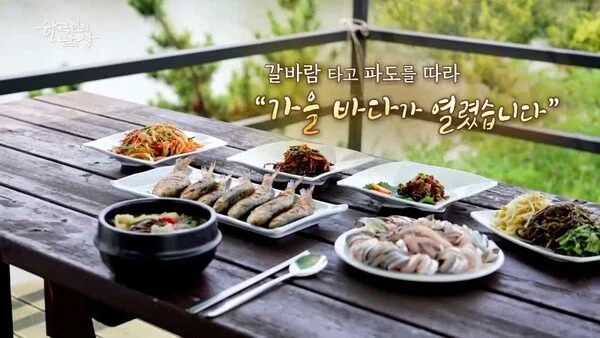
771st episode of Korean Cuisine and Dining>
Riding the autumn wind and following the waves, "the autumn sea has opened."
Sacheon gizzard shad, Sinan mudskipper, Namhae mantis shrimp... A rich seasonal sea table from three different mudflats.
Broadcast: Thursday, September 17, 2026, at 7:40 PM on KBS 1TV
As the hot summer is pushed away, the tips of the wind grow cool. While the sky and the fields change their seasonal clothes, autumn also begins in the sea. Fishermen head out to the dawn sea in search of gizzard shad that have gained weight, and in the mudflats where the tide has receded, hands become busy harvesting mudskippers, mantis shrimp, and clams. As the sea becomes bountiful, the dining tables also fill with the stories of the people who have lived making the sea their home. From families who built new lives in their hometown seas, to couples living the latter half of their lives while taking care of each other's meals, to mothers who raised their children while moving in and out of the mudflats following the tides... We meet the abundant flavors provided by the autumn sea and the stories of life embedded within them.
Autumn has arrived with the gizzard shad, the Bito-ri family's special gizzard shad table – Seopo-myeon, Sacheon, Gyeongsangnam-do
Gyeongsangnam-do Sacheon is one of the first places in the country to announce news of autumn gizzard shad. The gizzard shad, which gained weight during the summer, return to the waters off Sacheon with the most savory flavor when the cool breeze begins to blow... In the dawn when both the sky and the sea are submerged in darkness, the couple Park Jong-deok (59) and Hwang Sun-ae (54) are busy pulling up nets before dawn. The couple was worried because not much gizzard shad were caught due to the exceptionally hot and dry weather. However, today, quite a few plump ones were caught in the net.
Settled in a place where the sea is within reach if you step out from the edge of Bito-ri, the couple lived in Jinju before returning to the sea 14 years ago in Bito-ri, the wife's hometown. For the couple, who were exhausted by the harsh and restless city life, the sea of Bito-ri became a new sanctuary.
When autumn arrives and the plump gizzard shad return, special foods appear one by one on their dining table. For Hwang Sun-ae, Jeon-eo-bam-jeot (gizzard shad fermented in nut-like seasoning), which is hard to taste on land, is a nostalgic food that calls back memories of her mother, and what her husband Park Jong-deok picks as the best is grilled gizzard shad, fried almost like deep-frying in oil. And the gizzard shad soup, which Park Jong-deok's older sister Park Hoe-ok (62) carefully boils for the younger couple, is a hearty autumn health food unique to this family that cannot be easily tasted anywhere else. Adding kimchi made with seasonal godeulppae (Korean lettuce) would be the icing on the cake. For the Bito-ri family, gizzard shad is a welcome guest brought by autumn and a taste of memory that calls the family together to the dining table.
A second life enjoyed in the mudflat, “I cook meals for you” – Amtae-myeon, Sinan County, Jeonnam-Gwangju Special Integrated City
There is no error in the order of nature. The mudflat, which reveals its flesh twice a day, is a source of life for the mudflat village people, which is wonderful and welcome whenever it is seen. Choi Chang-gyu (71), who roams the vast mudflats of Amtaedo Island in Sinan, is a master at catching mudskippers. Autumn is the season when mudskippers gain weight, so the mudskipper hunters roaming the mudflats also become busy. To catch the creatures that quickly hide at the slightest sign of human presence, high concentration and skill are required, as mudskippers can only be caught using 'hulchigi fishing' (a flicking technique).
It was three years ago that Choi Chang-gyu and Park Sun-ok (60) moved down from Ganghwa, Incheon, to Sinan. After the husband, who had lived tirelessly for his family his whole life, underwent major surgery, the wife suggested living here to protect his health. The wife, who contemplated what meals to feed her husband while even studying cooking, prepares nutritious meals using what her husband catches from the mudflat.
From mudskipper porridge, boiled thoroughly to be soft, to jelly made using mudskipper broth, to mudskipper siraegi and dong-gwa (winter melon) braised in a small amount of liquid... and vegetable japchae, a creative dish made by the wife using the skins of fresh vegetables... If in their youth they lived looking only forward to feed the family, now they live taking care of each other's days. The husband, in the mudflat and the vegetable garden, and the wife, in the kitchen, together create dining tables for each other.
The autumn dining tables of Namhae mothers who have lived along the Barae-gil Trail – Gohyeon-myeon, Namhae, Gyeongsangnam-do
Ieo Village in Namhae, Gyeongsangnam-do, where green rice paddies and the blue sea meet. When the tide recedes, there are mothers who head to the mudflat with hoes, brushes, and containers as if they had been waiting for that moment. In Namhae, the act of going out to the mudflat to harvest seafood according to the tides was called 'Barae'. In the past, mothers would carry what they dug from the mudflat on their heads or backs to sell at the market to feed and educate their children. The Barae-gil was the path that sustained the family's livelihood.
The mainstay of the Namhae autumn mudflat is the 'ssok' (mantis shrimp). After spreading soybean paste water as bait to lure the mantis shrimp, they insert a brush into the hole to catch them. Lee Gyeong-yeop (67), a native of Gohyeon-myeon, is passing down an old method of catching mantis shrimp, even using brushes she made herself from her own hair. After catching mantis shrimp, digging up clams, and picking up sea snails, the tide comes in before they know it, and only then do the mothers leave the mudflat.
Even though they were incredibly busy with mudflat work, farming, and raising children, these are the foods of mothers who put all their sincerity into their children's meals. Ssok-hobak-bokkeum (stir-fried mantis shrimp with pumpkin), which was delicious even with just pumpkin and garlic added to the mantis shrimp, and ssok-twigim (fried mantis shrimp), which the mother used to make on days she rested from mudflat work, are tastes of nostalgic memory. When feeling lethargic or lacking appetite, they make clams pot rice using clam meat and peas with clam broth, which is a delicious single dish that requires no other side dishes. The Barae-gil is a path they want to continue walking until their bodies allow. In the autumn dining tables of Ieo Village, the years and memories of the Namhae mothers remain intact.
(Photo provided = KBS 1TV 'Korean Cuisine and Dining')
◆ At a Glance
· Issuing Institution: KBS
· Category: Korean Cuisine and Dining
· Distribution: September 16, 09:40
Source: KBS Press Release
Special Times is striving to deliver faster and more diverse news to readers with the help of AI technology.



Comments 0